The Falkland Islands
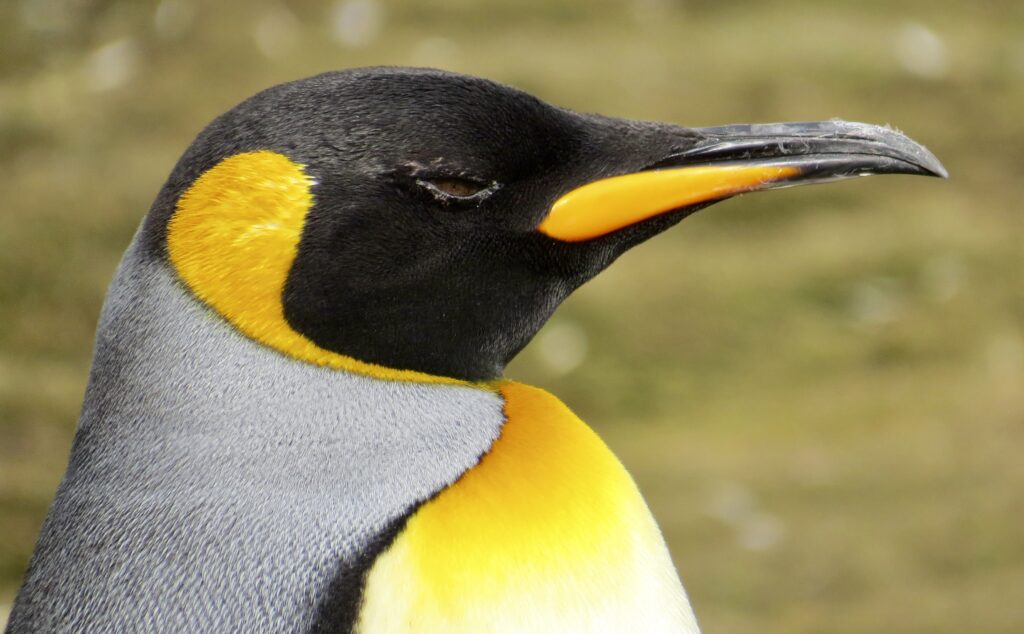
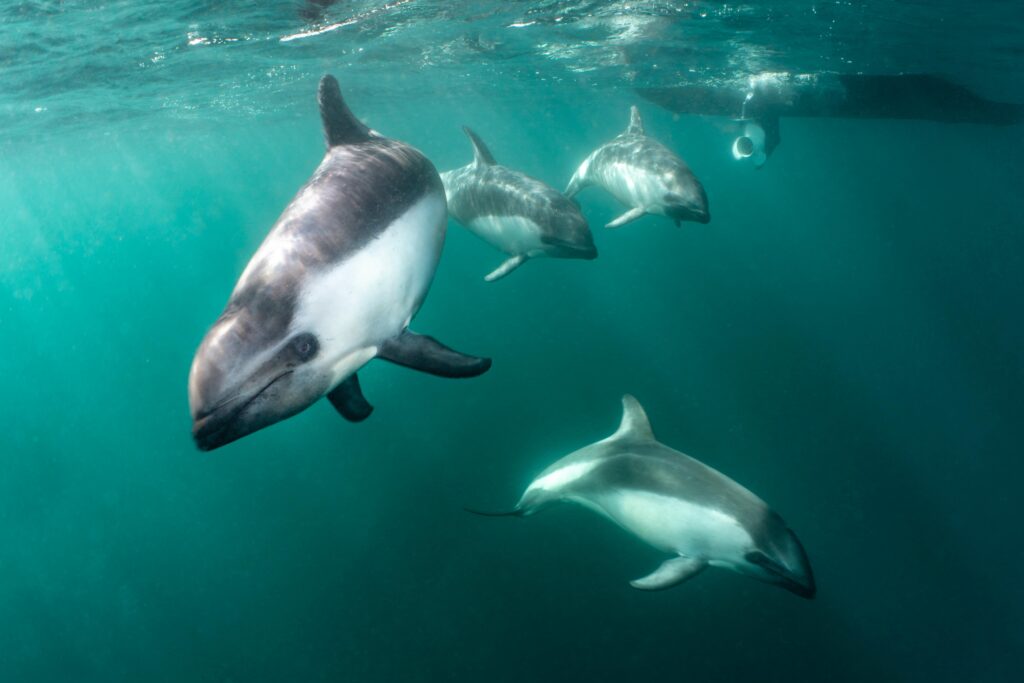
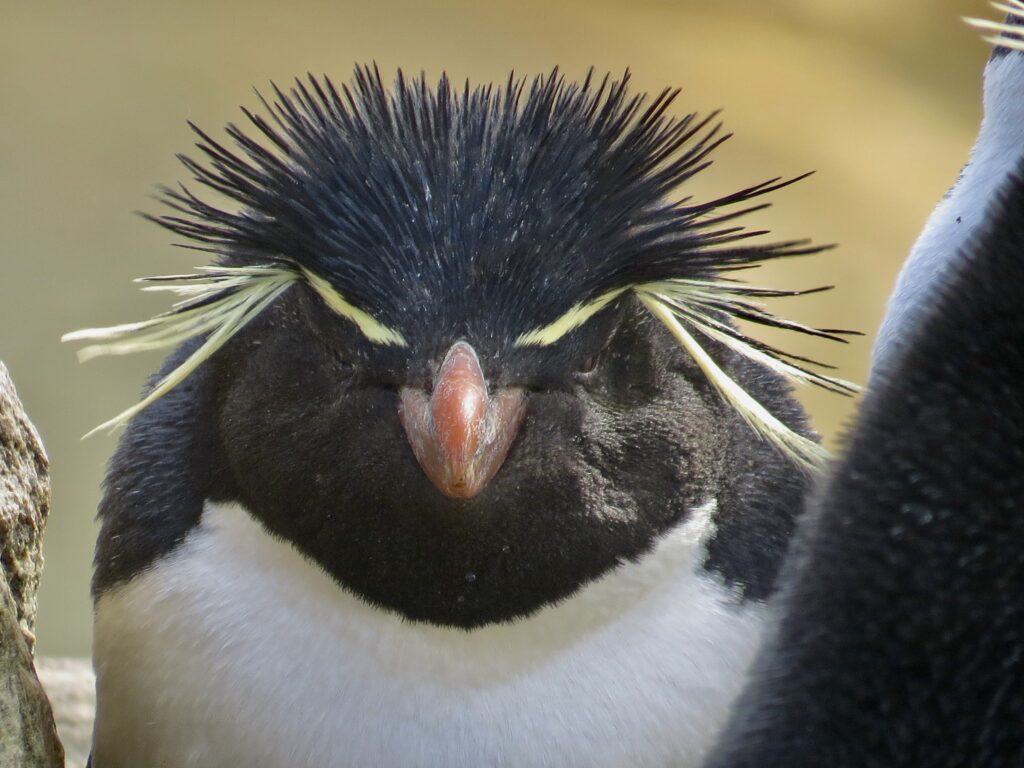
The Falkland Islands offer one of the world’s last true wilderness experiences, where travel itself is part of the adventure. Explore vast, unspoilt landscapes by four-wheel drive, and take light aircraft to remote islands rich in wildlife, where penguins, albatrosses and petrels thrive far from the crowds.
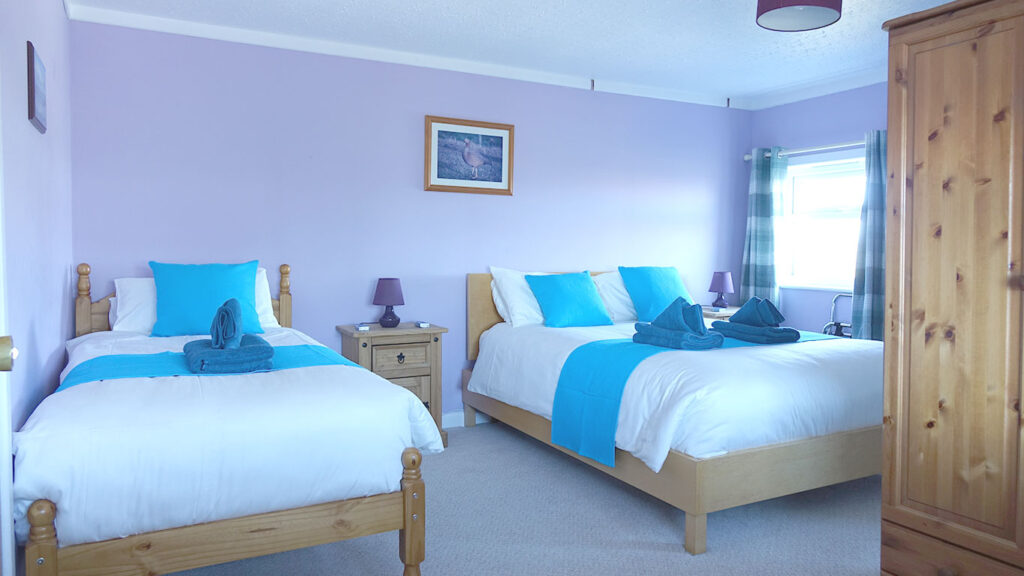
Each day concludes with warm, Falkland Islands hospitality
Enjoyed in characterful
hotels, lodges and guesthouses thoughtfully set across the archipelago—comfortable refuges that
complement the Islands’ remarkable sense of remoteness and discovery.
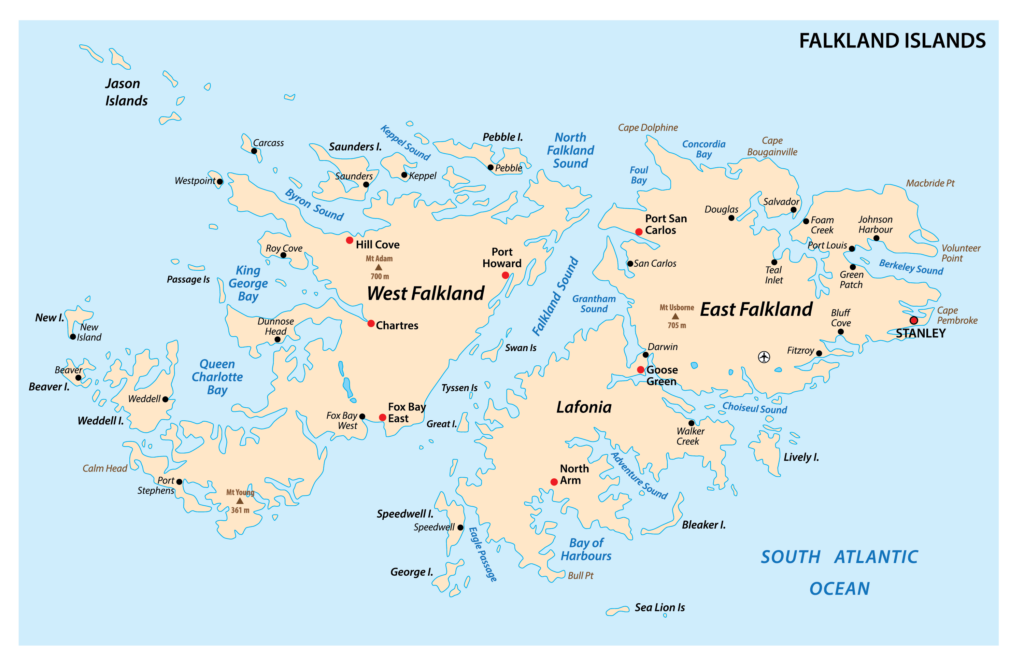
Located in the South Atlantic between 51°–53° south and 57°–62° west
The Falkland Islands lie about 650 km (400 miles) from the south-eastern tip of South America. Although often
overshadowed by their larger neighbor, the Islands cover around 12,000 km² (4,700 sq miles) and have a small permanent population of about 3,600.
The archipelago includes more than 740 islands
With East Falkland and West Falkland as the main ones. East Falkland hosts the capital, Stanley, and most of the population. Both main islands and several smaller ones offer visitor accommodation and cruise excursions.
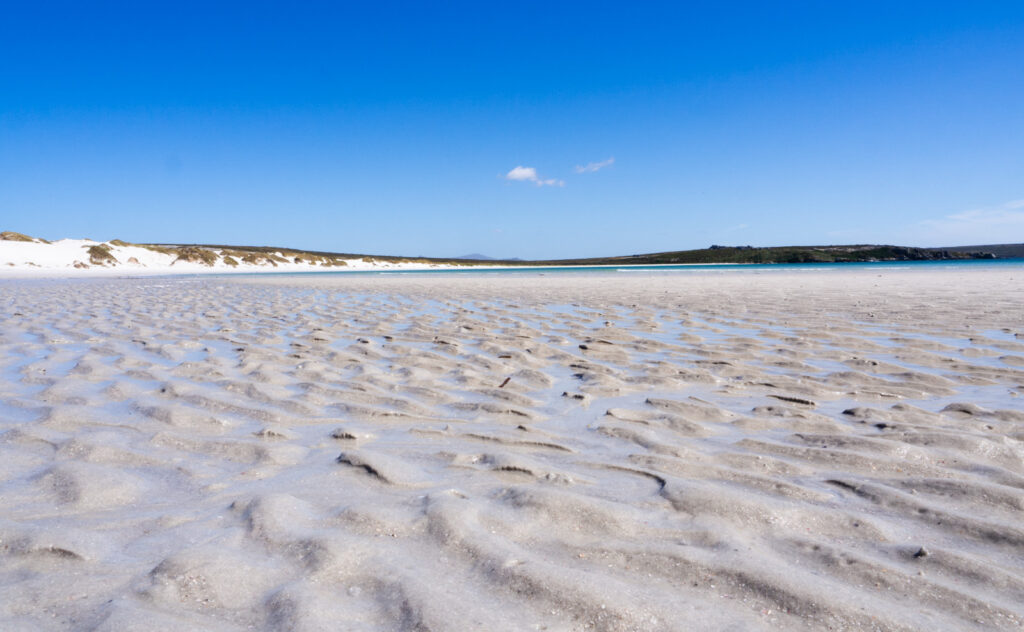
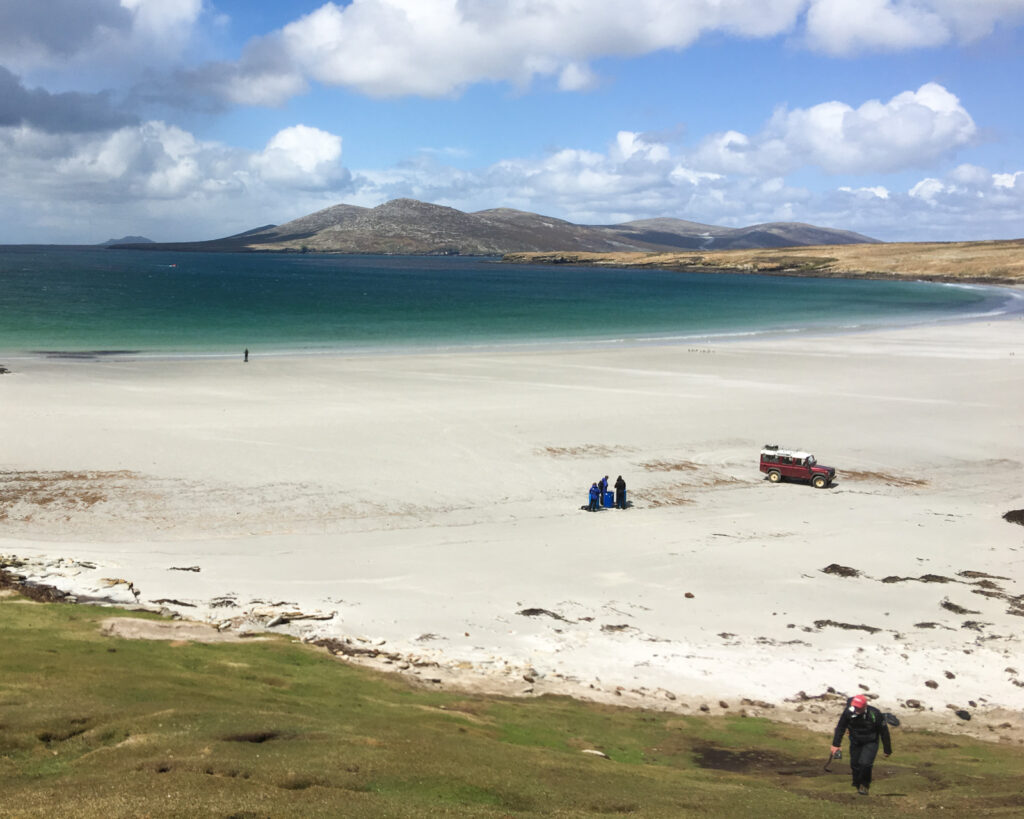
The landscape ranges from rugged cliffs and sheltered harbours
To long white-sand beaches, open plains, hills, kelp forests, and stone runs. Mount Usborne on East Falkland is the highest point at 705 m (2,312 ft).
The Falklands have a cool oceanic climate
With temperatures typically between 25°C and –5°C.
Strong westerly winds influence conditions, making the west drier and sunnier than the east, where higher rainfall supports ferns and tussac grass. Annual sunshine averages over 1,700 hours, similar to southern England, and summer days are often windy, bright, and clear.