
Flora & Fauna
The Falkland Islands are rich in wildlife and remain one of the rare places on earth where
nature truly rules. Often compared to the Galápagos by visitors, they offer a unique chance to
sit among animals and observe them as they are meant to be seen—free and undisturbed in
their natural habitat. If you quietly wait on the beaches near the colonies, you might even find
curious penguins approaching to check you out.
Birds
Over 220 species have been recorded: 21 are resident land birds, 18 waterbirds, 22 breeding seabirds, 18 annual non-breeding migrants and at least 140 occasional visitors.
The Falkland Islands are the most important site globally for the beautiful Black-browed albatross holding 70 % (500,000 pairs) of the world population. The majority of the Falklands’ albatrosses breed on Steeple Jason and Beauchêne Island; however, there are 11 other breeding locations.
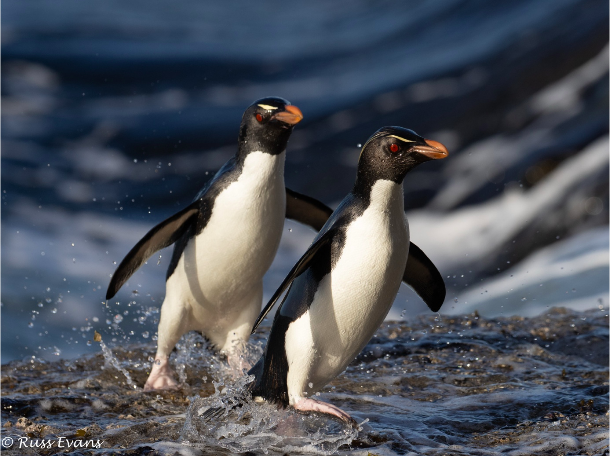
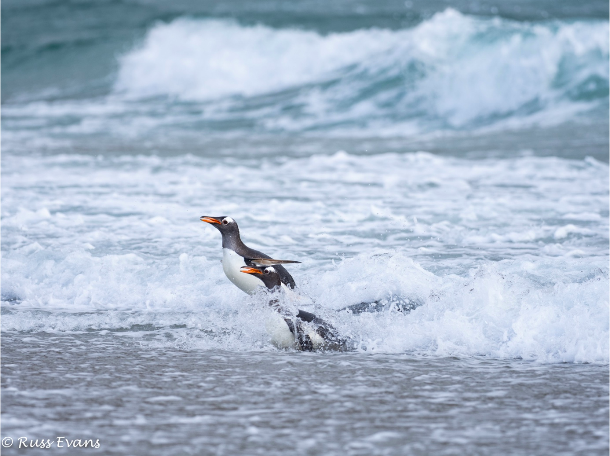
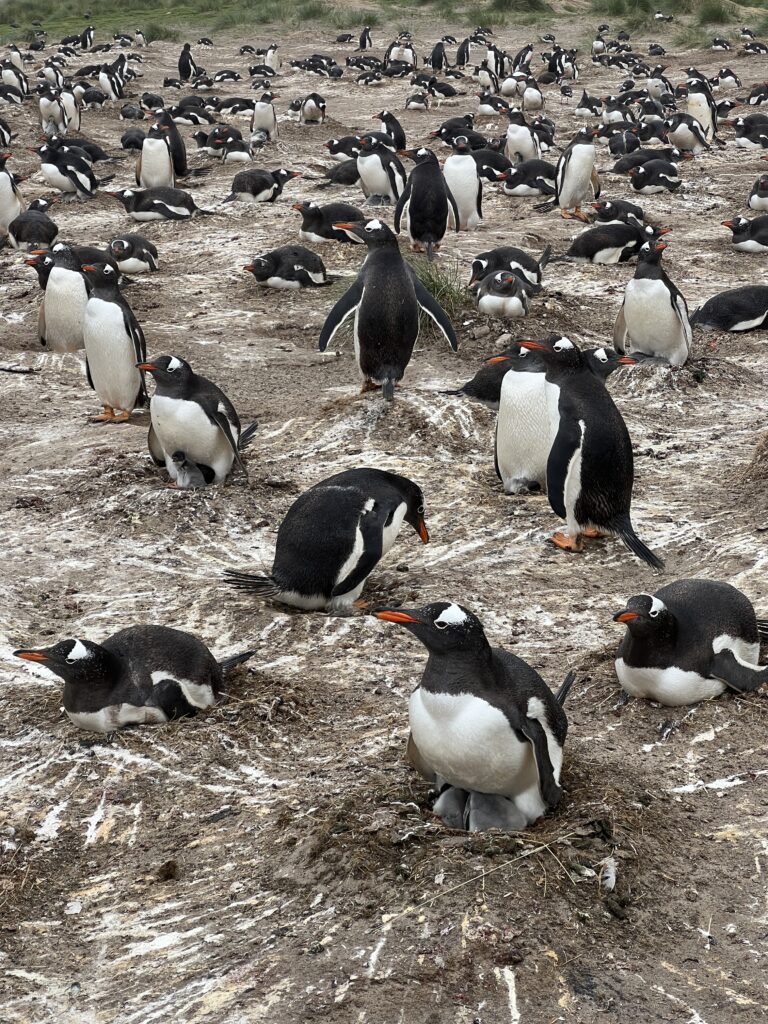
Approximately 540,000 pairs of penguins breed in the Falkland Islands—Gentoo, Magellanic, Rockhopper, King, and very small numbers of Macaroni.
On many of the islands you will encounter the endangered Striated caracara, who may even follow along with you on your walk, you should keep your belongings secure as it is attracted to bright colours and will steal loose items.
Marine Mammals
Elephant seals, Southern sea lions and Fur seals are truly impressive sights. The coastal waters also offer excellent opportunities for whale and dolphin watching.
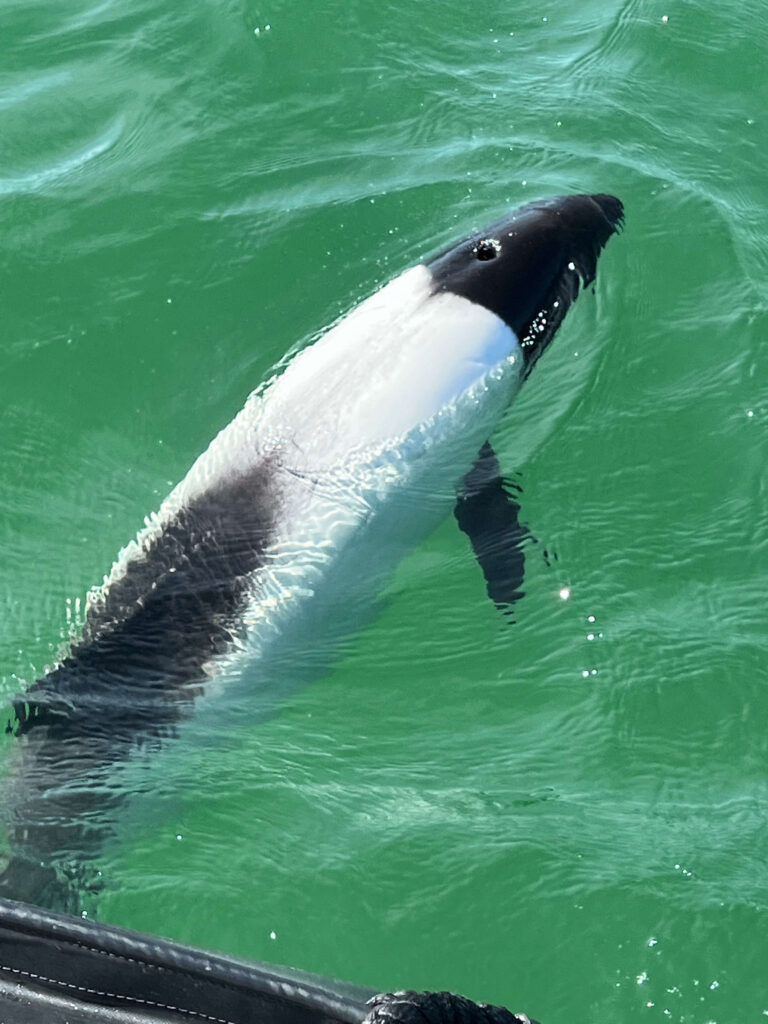
Around 14 species of whales and dolphins have been recorded in Falkland waters, including Killer whales, Sei whales, and Southern Right whales. Peale’s and Commerson’s dolphins are also commonly seen along the islands’ coastline.
Non-Domesticated Terrestrial Mammals
The Falkland Islands fox—known to early settlers as the “Warrah”—was the only native land mammal found on East and West Falkland. It was driven to extinction by 1876, largely because it was seen as a threat to the islands growing sheep farming. Today, all mammalian predators in the Falklands have been introduced, although many of the outer islands remain free of rodents and cats.
The Patagonian grey fox, introduced in the 1930s, can now be found on Weddell Island. Brown hares were also introduced to East Falkland and are commonly seen in areas such as Bertha’s Beach and Darwin.
Flora
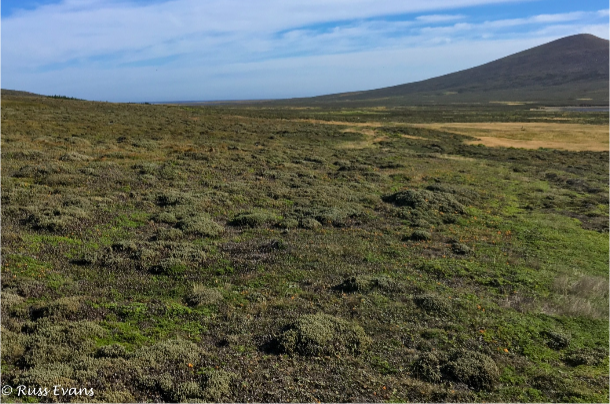
The Falkland Islands are home to a rich variety of plant life, with around 400 species recorded 14 of them endemic and 181 natives. The pale maiden, a delicate white bloom, is the national flower. You may also spot the charming vanilla daisy and the distinctive lady’s slipper during your visit.
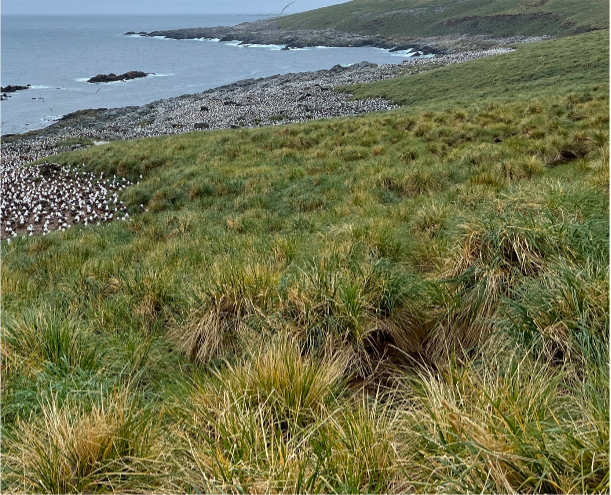
Tussac grass is one of the most important plants as it provides a valuable habitat for many species of birds and some seals. Tussac grass is found along the coastline and dominates some small islands.
Diddle-dee is one of the most common plants, a low-growing shrub that produces abundant small red berries often used to make jams and jellies, it’s well worth trying during your stay—or even taking a jar home as a souvenir.