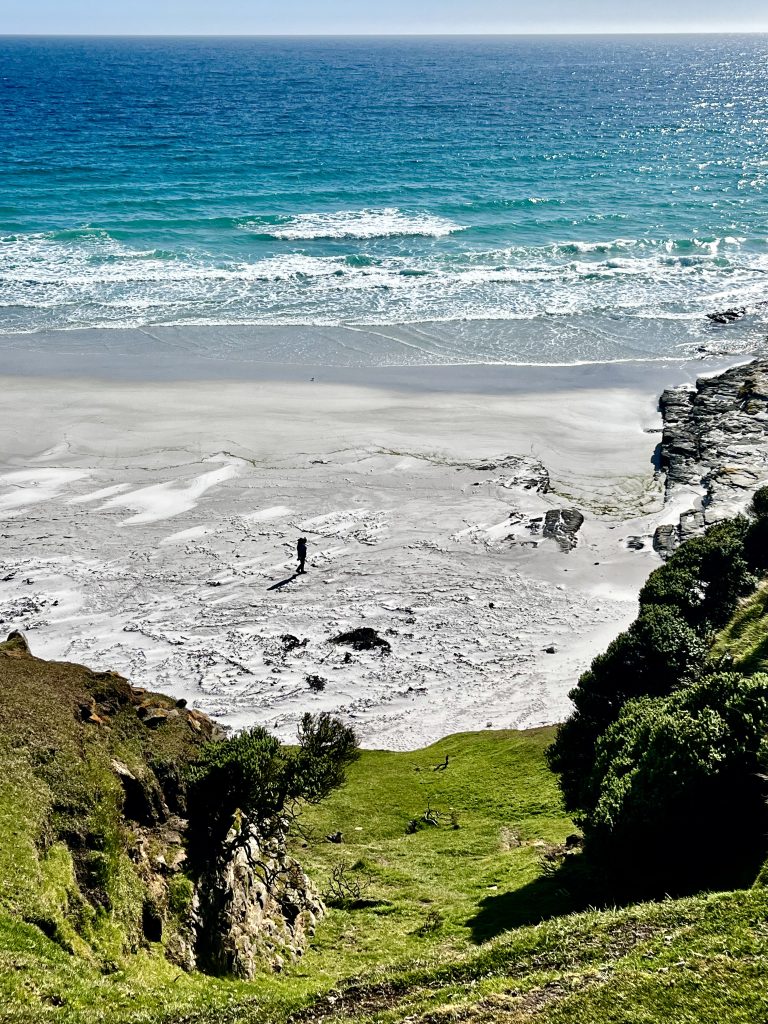
Summer Is Coming
What the Changing Season Means for Wildlife
There’s a moment each year when nature seems to change gear.
The mornings arrive earlier. The evenings stretch a little longer. Trees are suddenly thick with green, wildflowers bring colour back to the landscape, and the air fills with birdsong, buzzing insects and movement.
Summer is getting closer — and while we might be thinking about longer days, warmer weather and our next outdoor adventure, the natural world is preparing for its busiest season of the year.
For wildlife, summer isn’t simply a change in temperature. It’s a season of abundance, competition, new life and survival.
And for those of us who love exploring wild places, it’s one of the most fascinating times to slow down, look closely and see what’s happening around us.
A Season of New Life
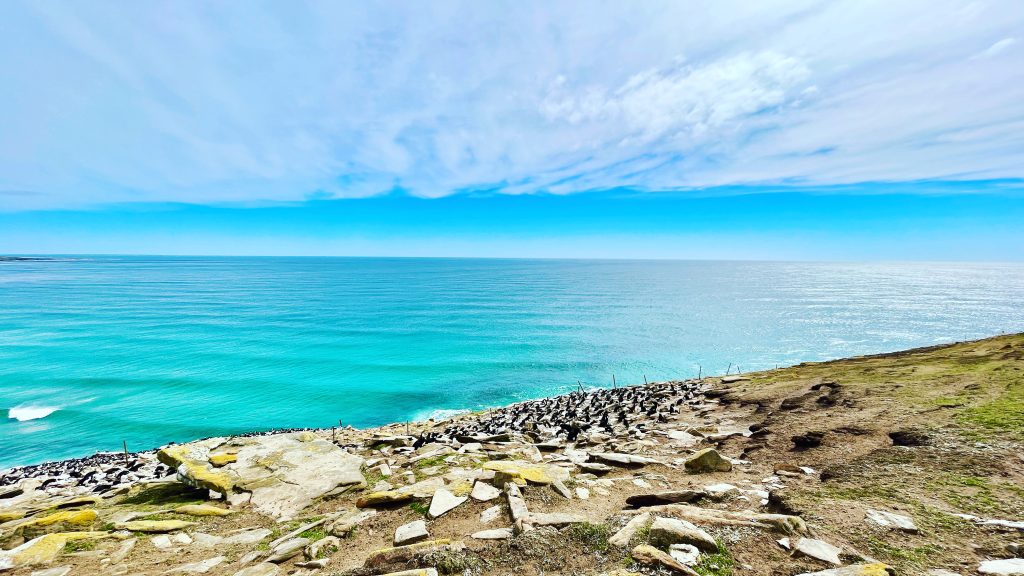
Spring may get most of the credit for new beginnings, but as we move towards summer, many young animals are taking their first steps — or flights — into the world.
Bird nests are busy with hungry chicks. Young mammals begin venturing farther from their shelters. In ponds and wetlands, tadpoles develop rapidly, while insects emerge in huge numbers to take advantage of the warmer conditions.
For parents, this can be an exhausting time. Finding enough food while protecting their young from predators takes enormous energy.
If you’re out exploring, you may hear young birds calling from hedgerows or spot fledglings sitting surprisingly close to paths. Often, the best thing we can do is simply give them space and enjoy the encounter from a respectful distance.
The Landscape Becomes a Giant Dining Table
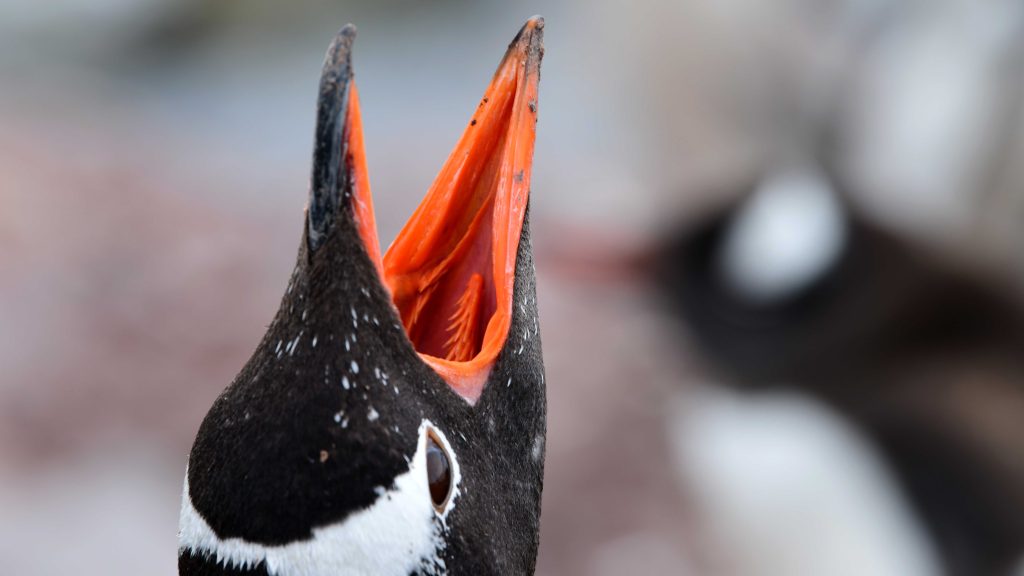
Summer brings something wildlife has been waiting for: food — and lots of it.
Wildflowers provide nectar for bees, butterflies and other pollinators. Insects become an essential food source for birds, bats and amphibians. Plants produce seeds and fruits, while lush vegetation feeds everything from tiny caterpillars to large grazing mammals.
And it’s all connected.
A patch of wildflowers may attract insects. Those insects feed birds. The birds, in turn, become part of a much larger food web.
It’s one of the things we love most about spending time outdoors: once you begin looking closely, a landscape stops being just a beautiful view. It becomes a living network.
Longer Days Mean More Time to Explore
We’re not the only ones making the most of those long summer evenings.
Many animals adjust their routines as daylight and temperatures change.
Some species become active early in the morning or later in the evening, avoiding the hottest part of the day. Dusk can be particularly rewarding for wildlife watchers, when bats begin hunting overhead and nocturnal mammals start emerging from their daytime hiding places.
Early mornings are just as special.
Head outside before the world gets busy and you might experience woodland alive with birdsong, deer moving quietly through open ground or insects warming themselves in the first sunlight.
Sometimes the best wildlife experiences happen when we match nature’s timetable rather than our own.
Summer Isn’t Easy for Everyone
Warm weather and abundant food make summer sound idyllic, but wildlife still faces challenges.
Extended periods of hot, dry weather can reduce natural water sources. Small ponds can shrink or disappear, vegetation can dry out and animals may have to travel farther to find water.
Human activity also increases.
As more of us head into the countryside, wildlife can experience additional disturbance — particularly around nesting and breeding areas.
That doesn’t mean we should stay away from wild places. Quite the opposite. Exploring nature can build the connection that makes us want to protect it.
We just need to explore thoughtfully.
Stick to paths where appropriate, keep dogs under control around wildlife and livestock, take litter home and give animals plenty of space. If you’re lucky enough to spot something special, resist the temptation to get closer.
A quiet encounter from a distance is often far more memorable anyway.
Look for the Small Things
Wildlife adventures don’t always require dramatic encounters.
Sometimes summer’s best moments are tiny.
A dragonfly hovering above a pond.
A butterfly resting with its wings open to the sun.
The sudden flash of a bird disappearing into a hedgerow.
A trail of footprints beside the water.
A bat appearing against the evening sky.
The more time you spend outdoors, the more you realise that nature is constantly telling stories. You just have to slow down enough to notice them.
Your Summer Adventure Starts Outside
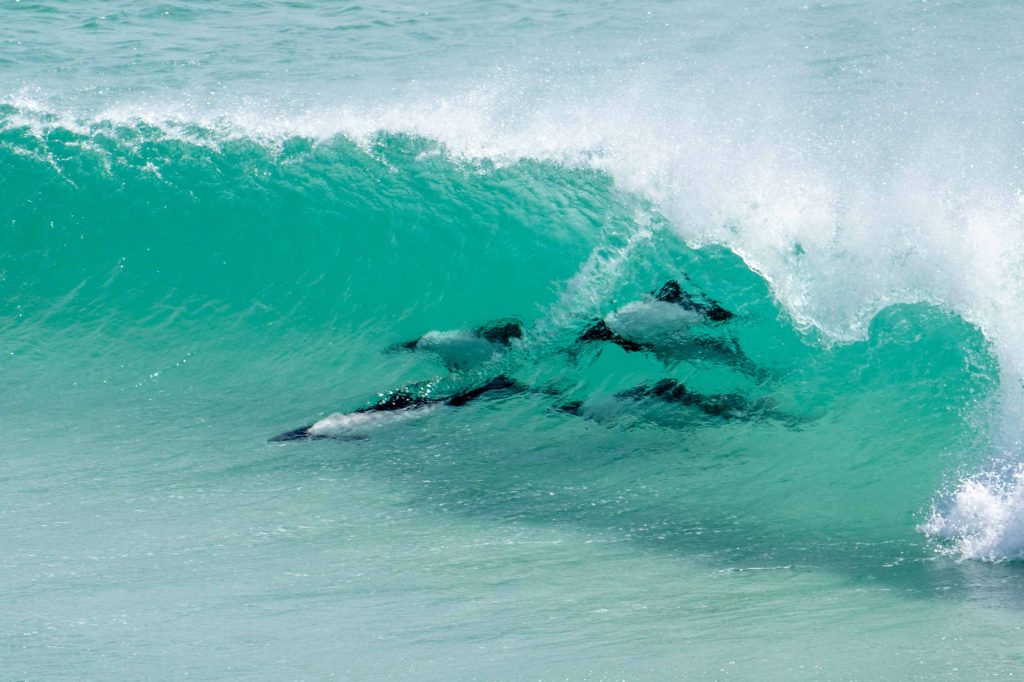
As summer approaches, the landscape becomes busier, louder and more colourful.
Every woodland, coastline, river, mountain trail and meadow has something happening within it — sometimes obvious, sometimes hidden just beneath the surface.
So this summer, wherever your adventures take you, make a little time for wildlife.
Walk slowly.
Listen.
Look beyond the obvious.
And remember that while we may be visitors passing through these landscapes, for countless other creatures, this is home.
At LatitudeX Adventures, we believe the best adventures aren’t only about how far you travel or how high you climb. They’re about becoming more connected to the places you explore.
And summer might just be the perfect season to start looking a little closer.