
The Falkland Islands offer one of the world’s last true wilderness experiences, where travel itself is part of the adventure. Explore vast, unspoilt landscapes by four-wheel drive, and take light aircraft to remote islands rich in wildlife, where penguins, albatrosses and petrels thrive far from the crowds.
Located in the South Atlantic between 51°–53° south and 57°–62° west
The Falkland Islands lie about 650 km (400 miles) from the south-eastern tip of South America. Although often overshadowed by their larger neighbor, the Islands cover around 12,000 km² (4,700 sq miles) and have a small permanent population of about 3,600.
The archipelago includes more than 740 islands
With East Falkland and West Falkland as the main ones. East Falkland hosts the capital, Stanley, and most of the population. Both main islands and several smaller ones offer visitor accommodation and cruise excursions.
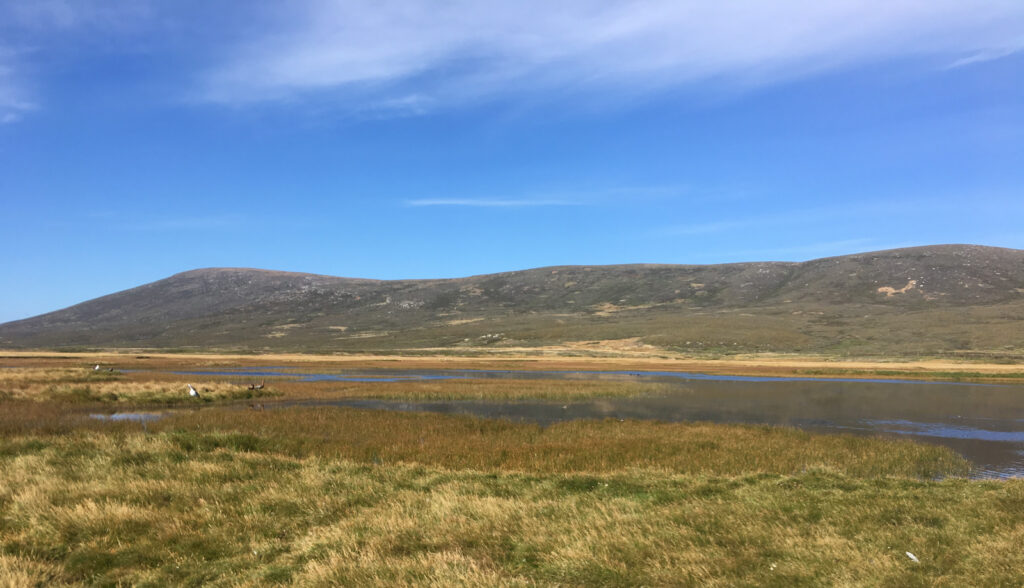
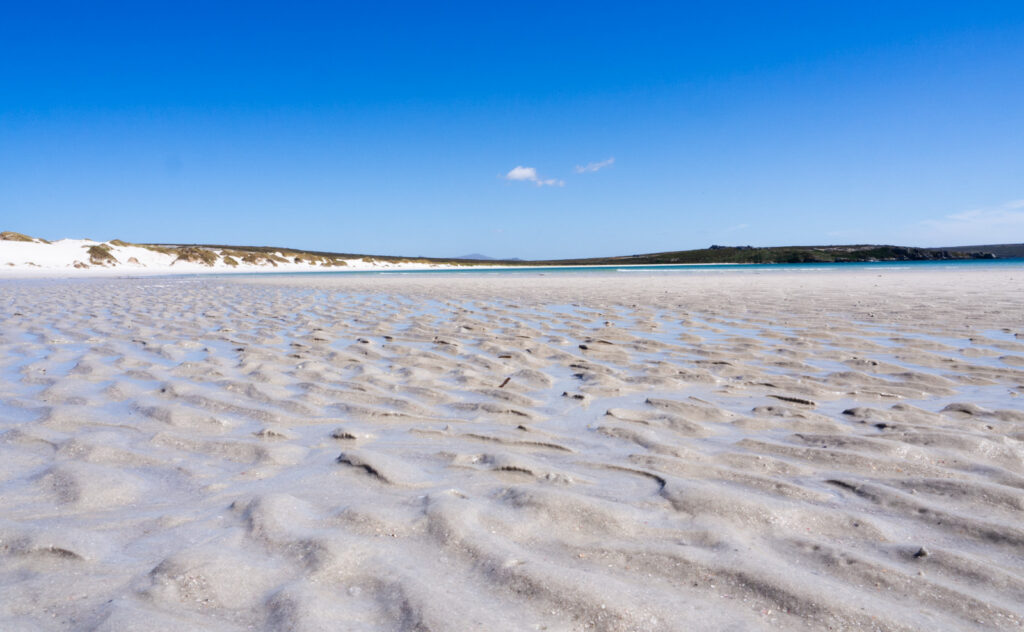
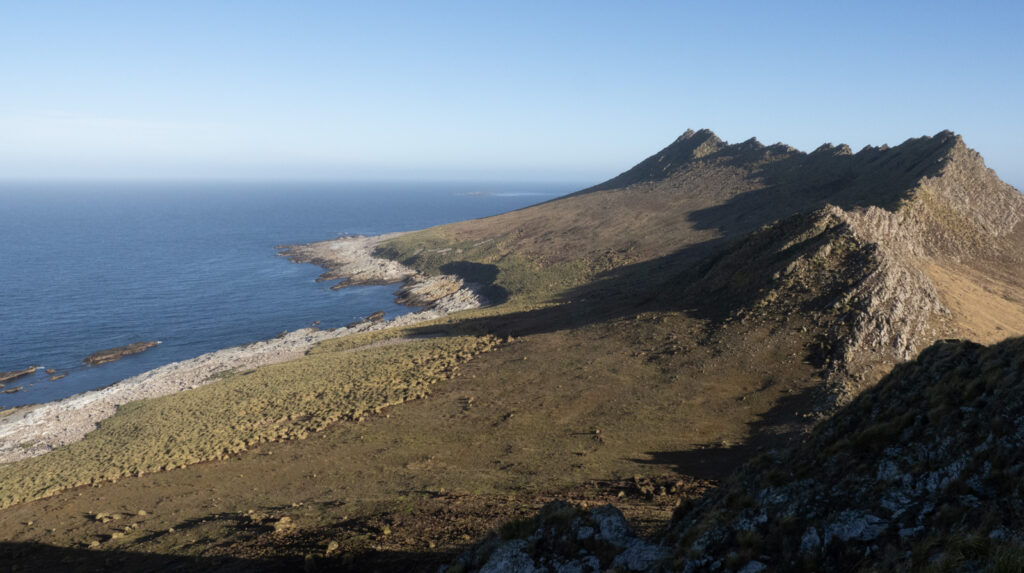
The landscape ranges from rugged cliffs and sheltered harbours
To long white-sand beaches, open plains, hills, kelp forests, and stone runs. Mount Usborne on East Falkland is the highest point at 705 m (2,312 ft).
The Falklands have a cool oceanic climate
With temperatures typically between 25°C and –5°C. Strong westerly winds influence conditions, making the west drier and sunnier than the east, where higher rainfall supports ferns and tussac grass. Annual sunshine averages over 1,700 hours, similar to southern England, and summer days are often windy, bright, and clear.
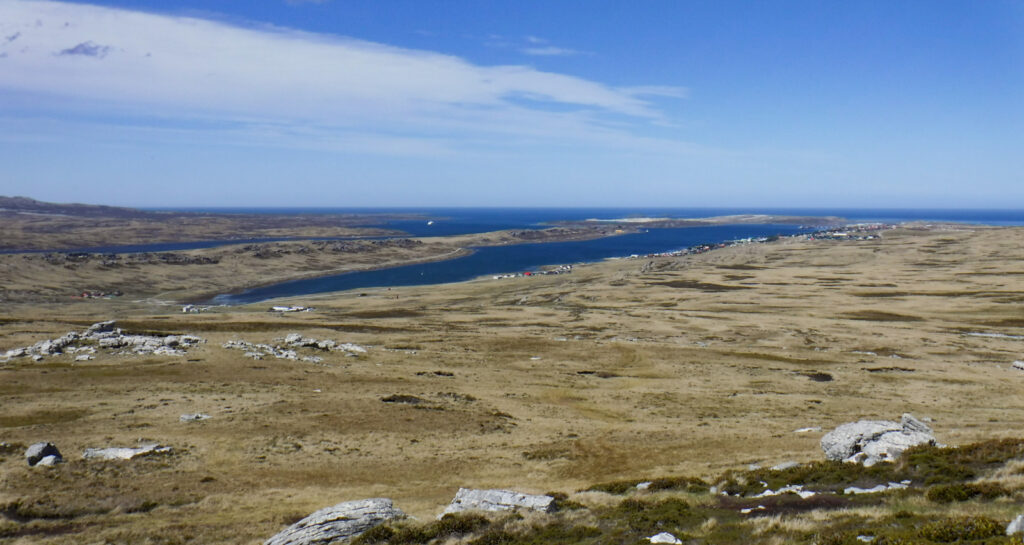
Falkland Land Trips
01
Carcass Island
Is a hiker’s paradise, offering a network of rewarding walks through pristine landscapes. Two main loop trails invite exploration: a scenic 7 km route to the penguin colony, and a longer 12.5 km circuit leading to elephant seals and tranquil freshwater ponds.
Along the way, countless shorter paths branch off toward the shoreline and lush stands of tussac grass, allowing walkers to tailor each journey and discover the island’s wildlife and beauty at their own pace.
02
Keppel Island
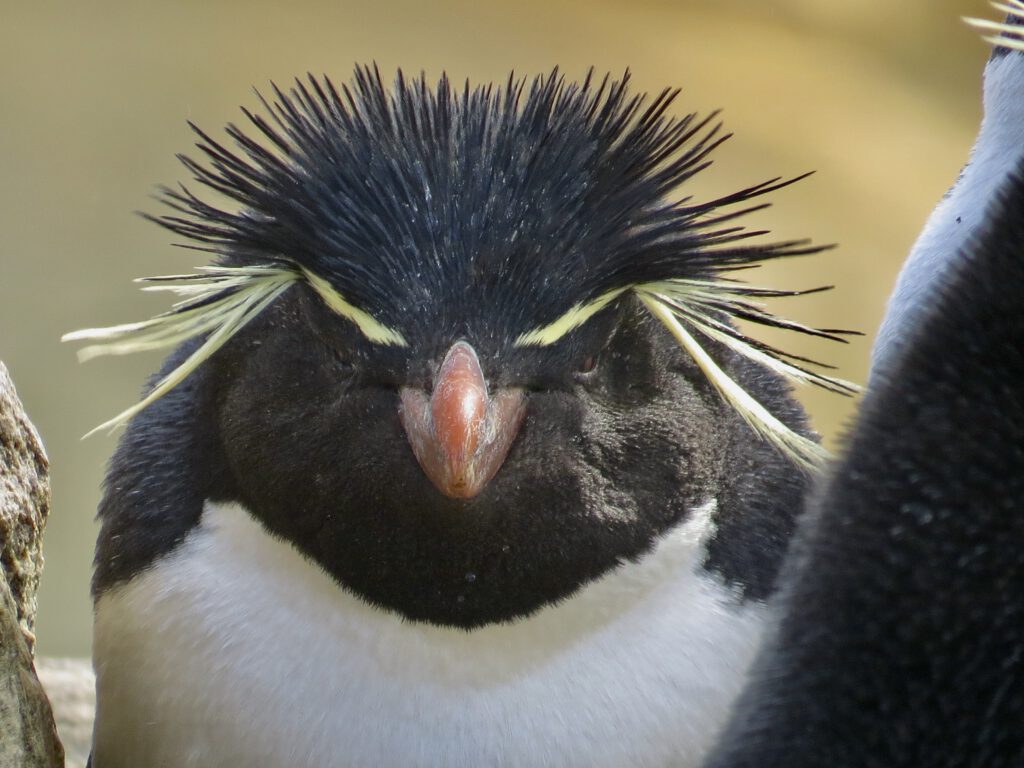
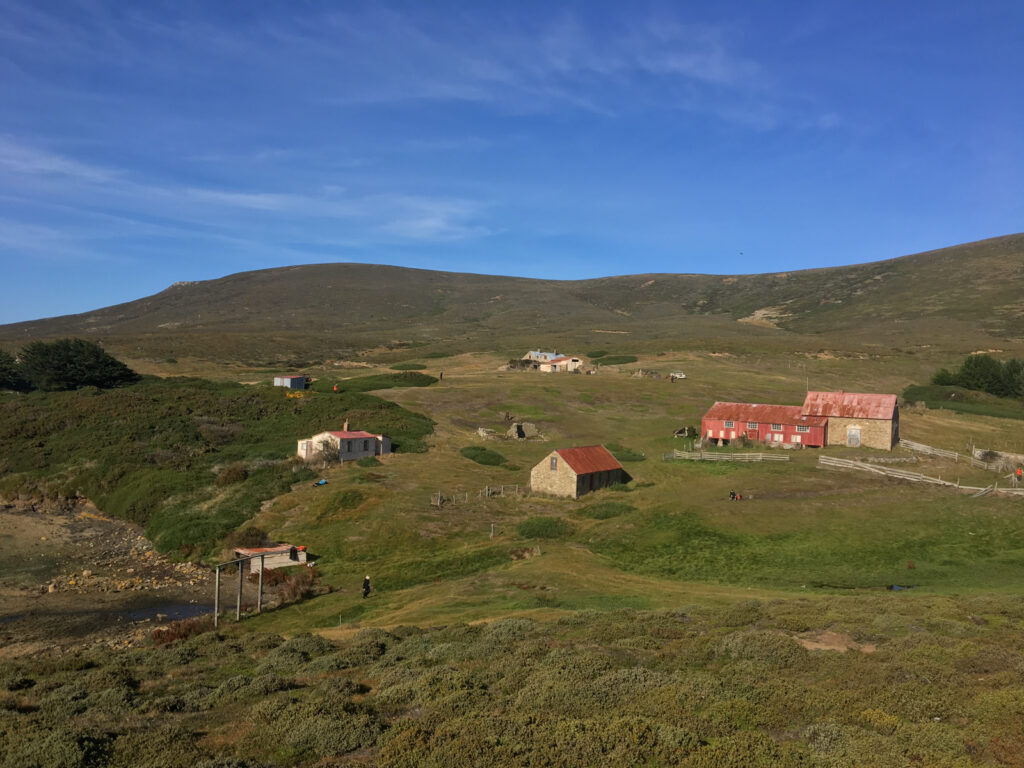
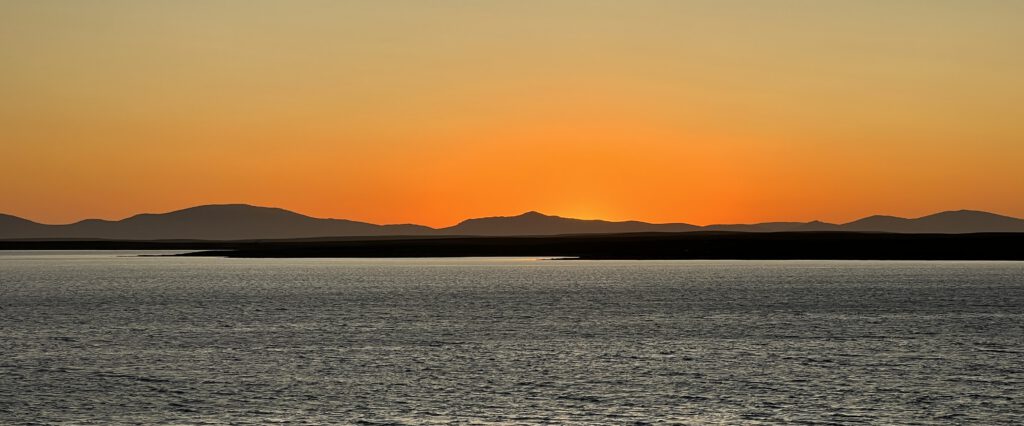
There are two superb freshwater lakes rich in waterfowl. Along the nearby low cliffs, you can also see rockhopper penguins, black-browed albatrosses, and imperial cormorants. Walking here is slightly more challenging due to thicker vegetation, though there is very little elevation gain unless you choose to climb the hills for additional viewpoints.
03
Port Stephens
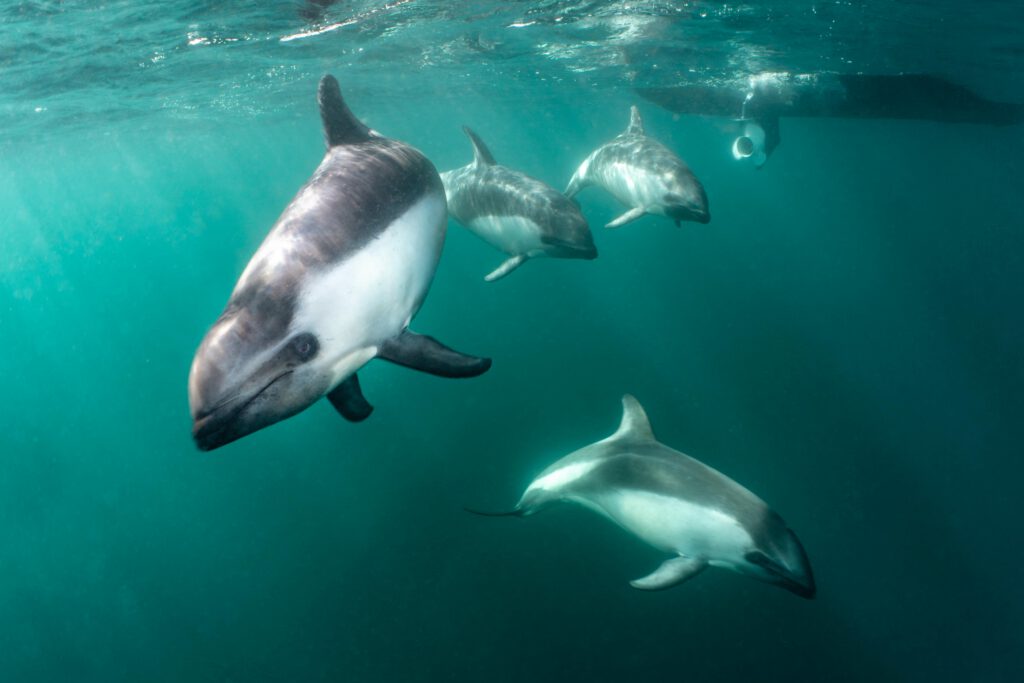
In Port Stephens we offer guided walking tours that showcase its diverse natural features, including fascinating geological formations around the Indian Village area. The region is known for its beautiful coastal landscapes and rugged headlands. It is also rich in marine and birdlife, with dolphins frequently seen in the harbour.
04
Saunders
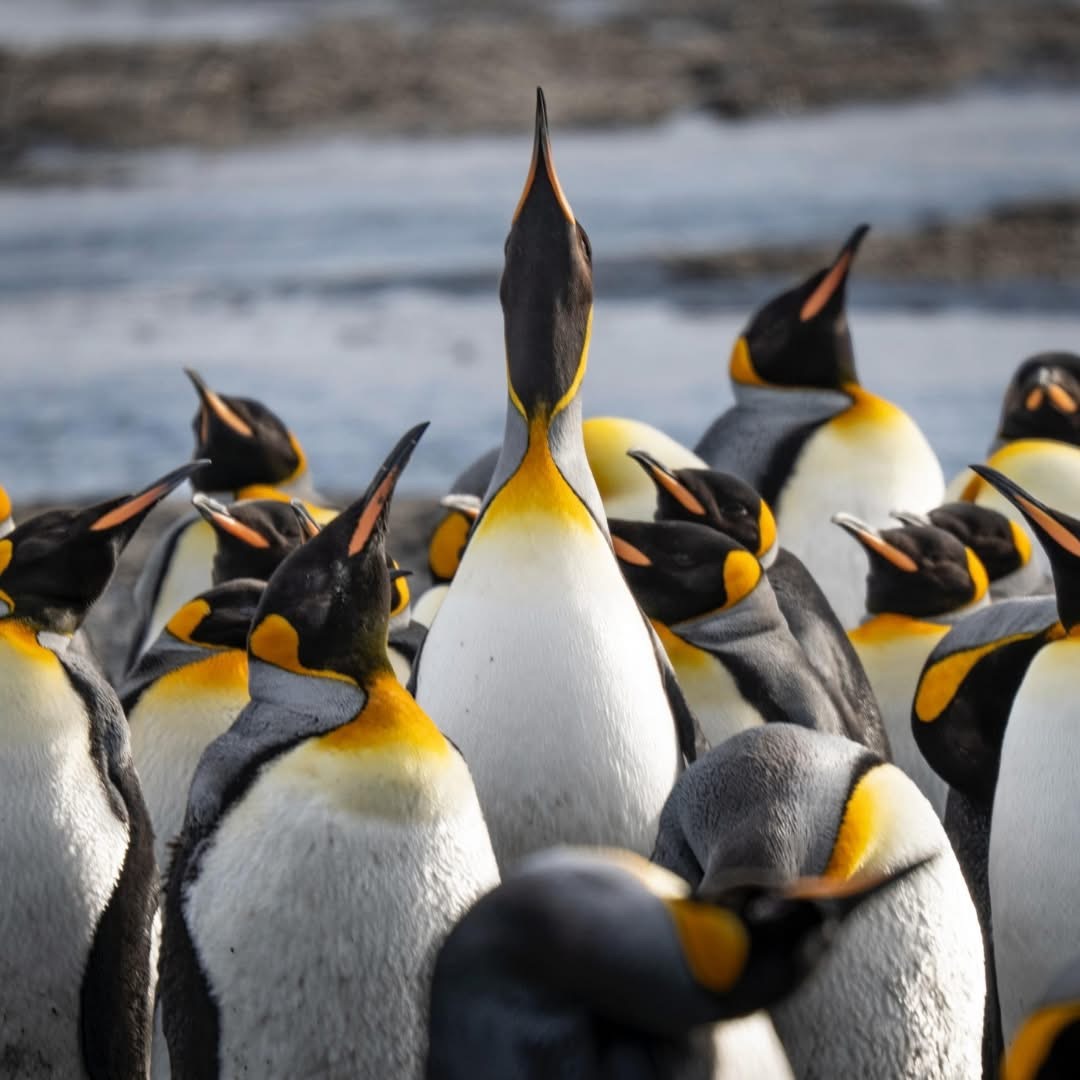
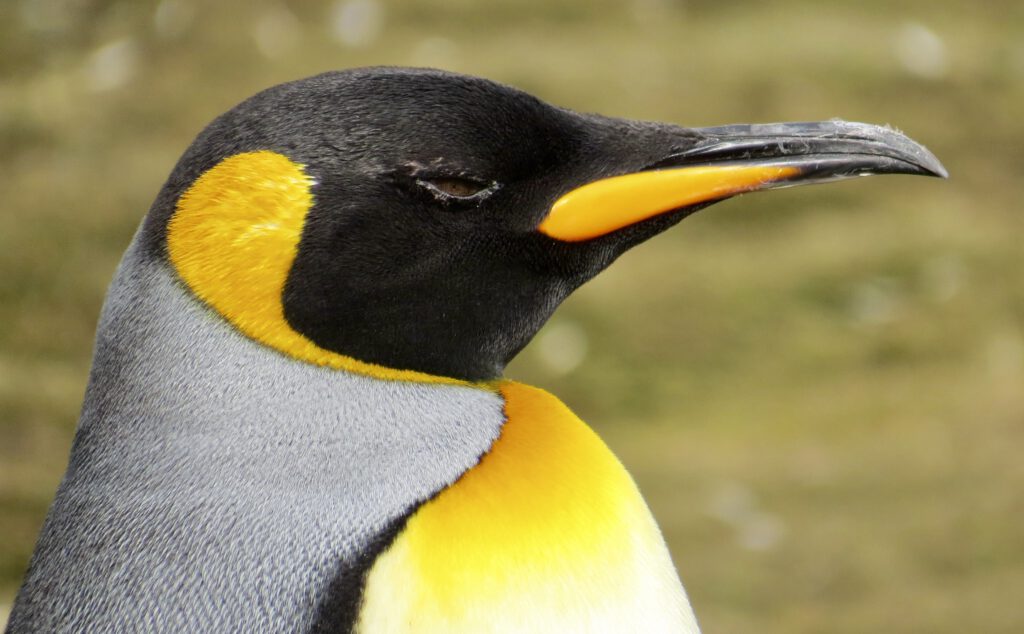
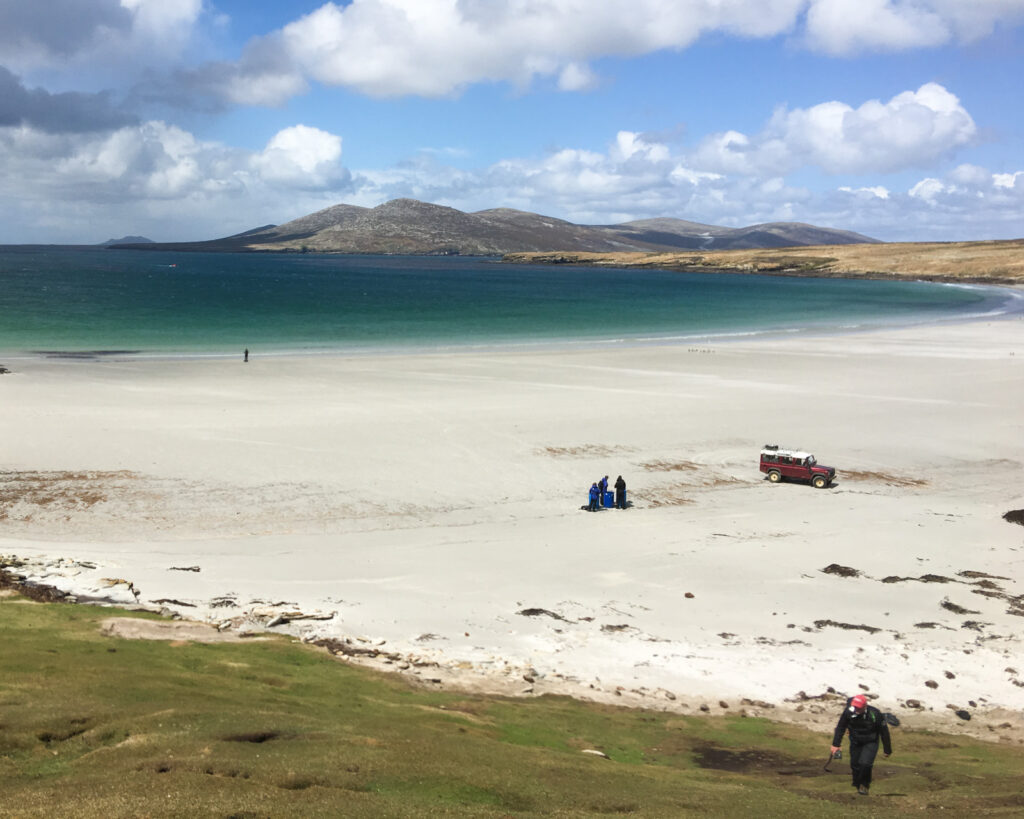
Gentoo, Magellanic, King and Rockhopper penguins. Black-browed albatross. Probably the most species of bird life in a 1,5 mile radius anywhere in the Falklands. Two white sandy beaches perfect for viewing and photographing penguins coming ashore. Dolphins often seen playing in the surf.
05
Stanley
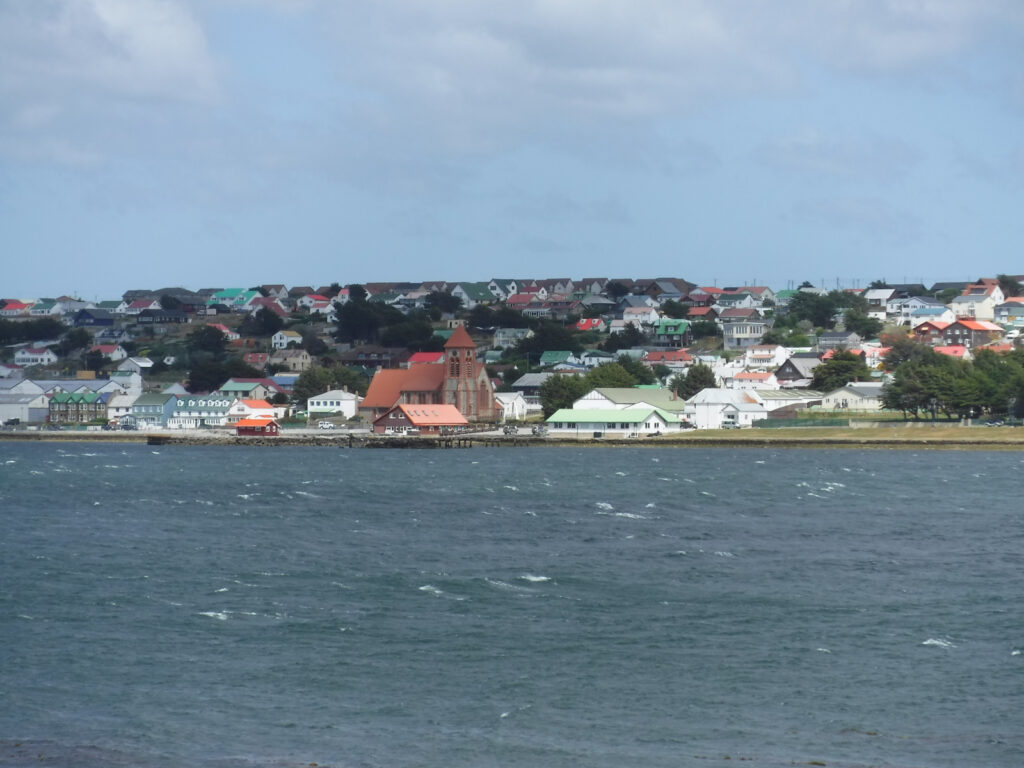
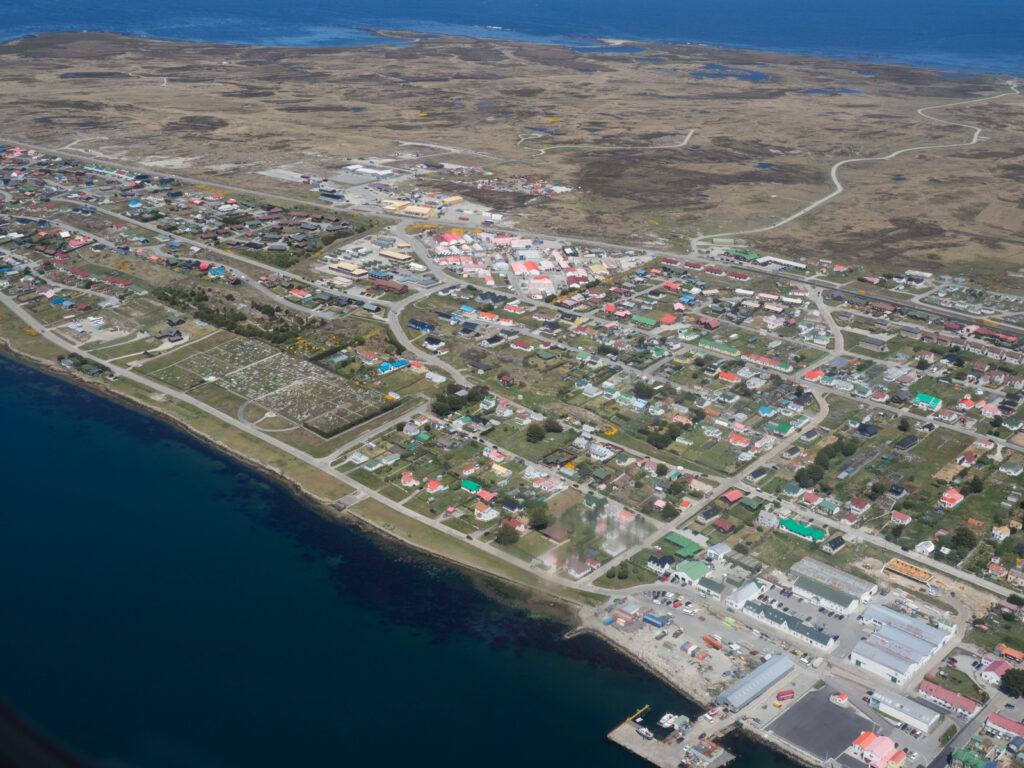
Stretched along the southern shore of the sheltered harbour, the colourful buildings of Stanley offer a warm and friendly welcome to all visitors. The tiny capital city is village-sized but has the amenities you would expect of a large town and lots to discover.
Different architectural styles characterise Stanley along with features of our British heritage. There are interesting buildings to explore and some surprising photographic opportunities. Fantastic museum and plenty of gift shops to purchase your souvenirs and opportunities to send postcards home.
06
Steeple Jason
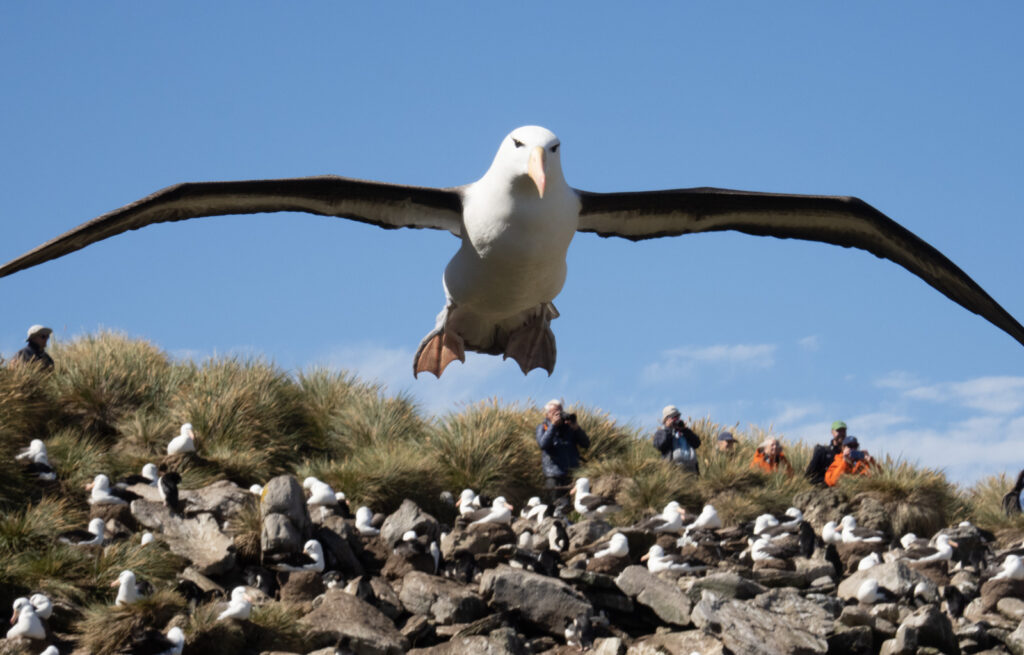
The area offers excellent walking opportunities, but the main highlight is the world’s largest black-browed albatross colony. Most walks are easy to moderate, with options to extend the route and add more challenging hill sections for those who enjoy a tougher hike.
07
West Point Island
is located off the north-west tip of West Falkland and is home to black-browed albatross amongst other birds. The terrain is varied, consisting of dramatic sandstone cliffs, falling away to low lying areas of emerald greens.
The highest point, Cliff Mountain is 381m (1,211 feet), the highest cliff in the Falklands. It is an Important Bird Area, alongside the albatross are Rockhopper penguins and Imperial Cormorants. Many other species can be seen. Whales, fur seals, sealions and dolphins are also frequently observed.
08
Pebble Island
Pebble Island is vast and dramatic—stretching nearly 35 km in length—with its highlights scattered across a sweeping landscape. Because of the distances involved, exploration is often arranged by guided tours with convenient drop-off and pick-up points.
For those seeking a gentle experience, there are easy walks of 500 m to 2.5 km near key sites. More adventurous walkers can opt to be dropped off at the island’s most remote wildlife locations and enjoy an immersive trek of up to 15 km back to the guesthouse, taking in the scale, solitude, and wild beauty of Pebble Island along the way.
Flora & Fauna
The Falkland Islands are rich in wildlife and remain one of the rare places on earth where nature truly rules. Often compared to the Galápagos by visitors, they offer a unique chance to sit among animals and observe them as they are meant to be seen—free and undisturbed in their natural habitat. If you quietly wait on the beaches near the colonies, you might even find curious penguins approaching to check you out.
Birds
Over 220 species have been recorded: 21 are resident land birds, 18 waterbirds, 22 breeding seabirds, 18 annual non-breeding migrants and at least 140 occasional visitors.
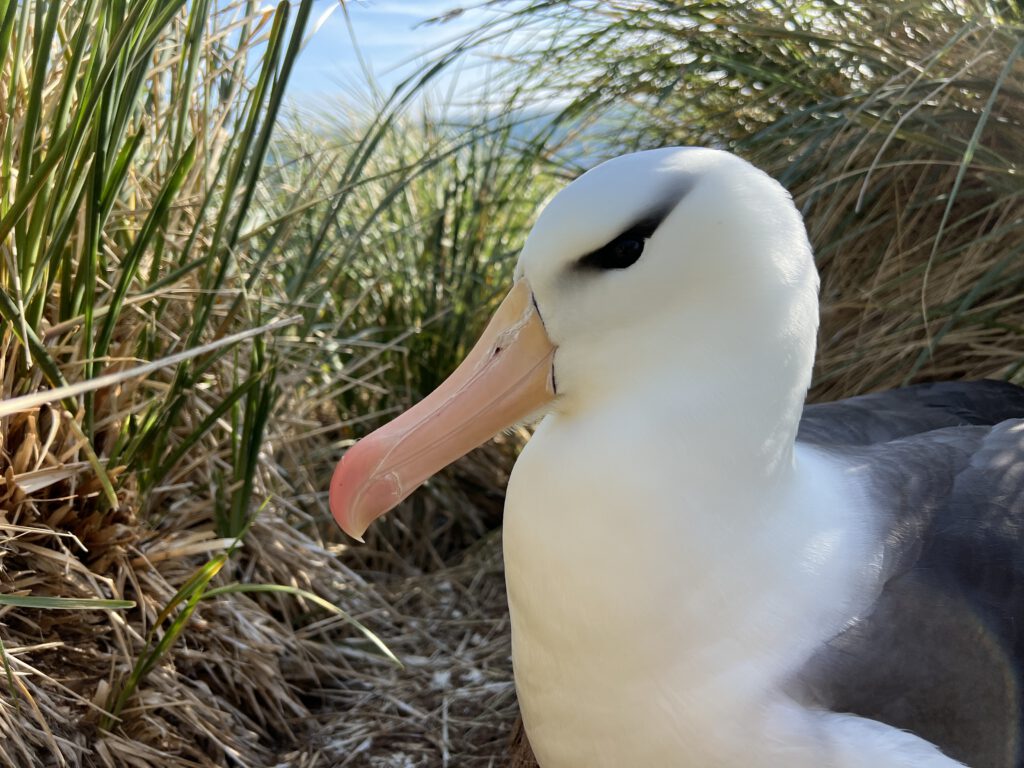
The Falkland Islands are the most important site globally for the beautiful Black-browed albatross holding 70 % (500,000 pairs) of the world population. The majority of the Falklands’ albatrosses breed on Steeple Jason and Beauchêne Island; however, there are 11 other breeding locations.
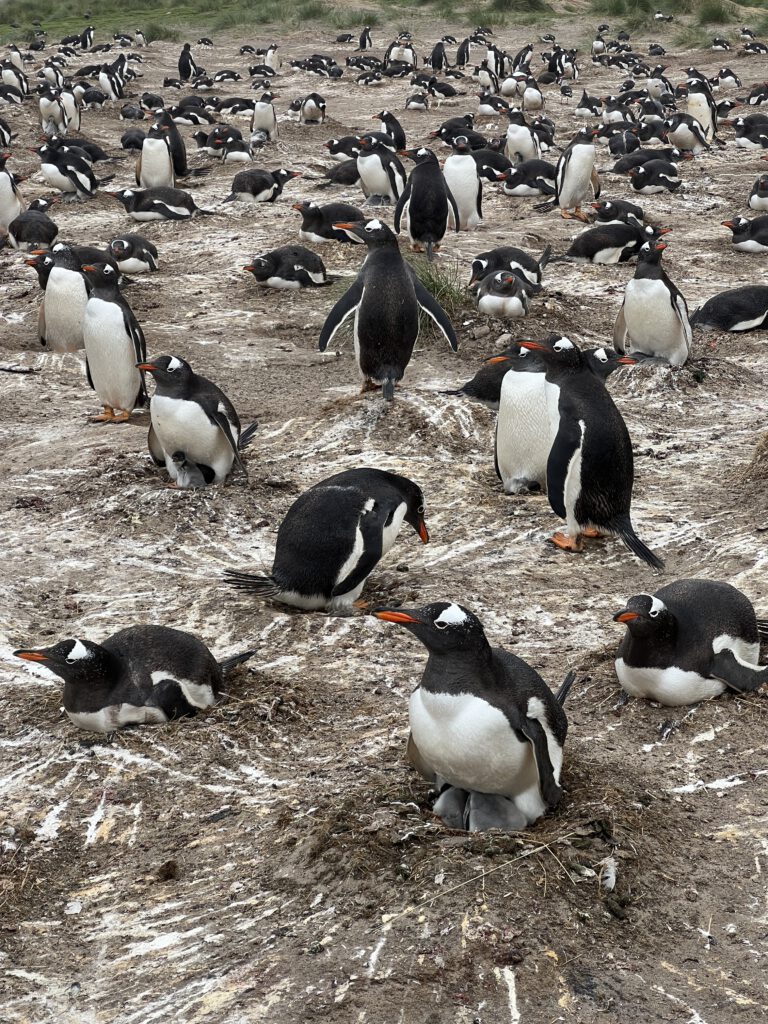
Approximately 540,000 pairs of penguins breed in the Falkland Islands—Gentoo, Magellanic, Rockhopper, King, and very small numbers of Macaroni.
On many of the islands you will encounter the endangered Striated caracara, who may even follow along with you on your walk, you should keep your belongings secure as it is attracted to bright colours and will steal loose items.
Marine Mammals
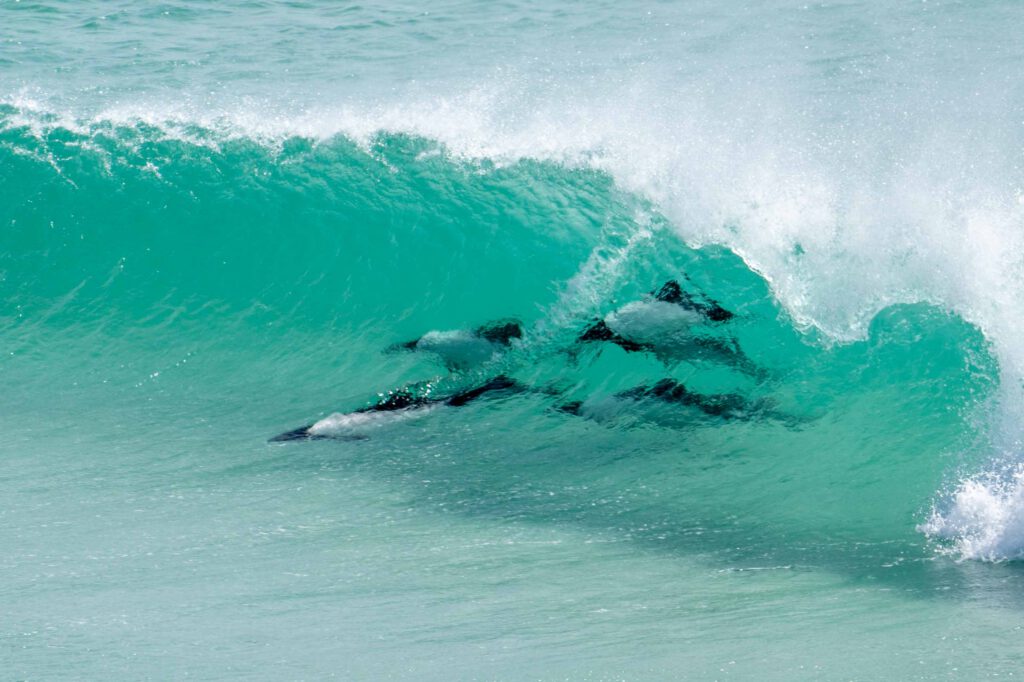
Elephant seals, Southern sea lions and Fur seals are truly impressive sights. The coastal waters also offer excellent opportunities for whale and dolphin watching.
Around 14 species of whales and dolphins have been recorded in Falkland waters, including Killer whales, Sei whales, and Southern Right whales. Peale’s and Commerson’s dolphins are also commonly seen along the islands’ coastline.
Non-Domesticated Terrestrial Mammals
The Falkland Islands fox—known to early settlers as the “Warrah”—was the only native land mammal found on East and West Falkland. It was driven to extinction by 1876, largely because it was seen as a threat to the islands growing sheep farming. Today, all mammalian predators in the Falklands have been introduced, although many of the outer islands remain free of rodents and cats.
The Patagonian grey fox, introduced in the 1930s, can now be found on Weddell Island. Brown hares were also introduced to East Falkland and are commonly seen in areas such as Bertha’s Beach and Darwin.
Flora
The Falkland Islands are home to a rich variety of plant life, with around 400 species recorded, 14 of them endemic and 181 natives. The pale maiden, a delicate white bloom, is the national flower. You may also spot the charming vanilla daisy and the distinctive lady’s slipper during your visit.
Tussac grass is one of the most important plants as it provides a valuable habitat for many species of birds and some seals. Tussac grass is found along the coastline and dominates some small islands.
Diddle-dee is one of the most common plants, a low-growing shrub that produces abundant small red berries often used to make jams and jellies, it’s well worth trying during your stay—or even taking a jar home as a souvenir.
Travel
There are two primary ways to travel to the Falkland Islands by air.
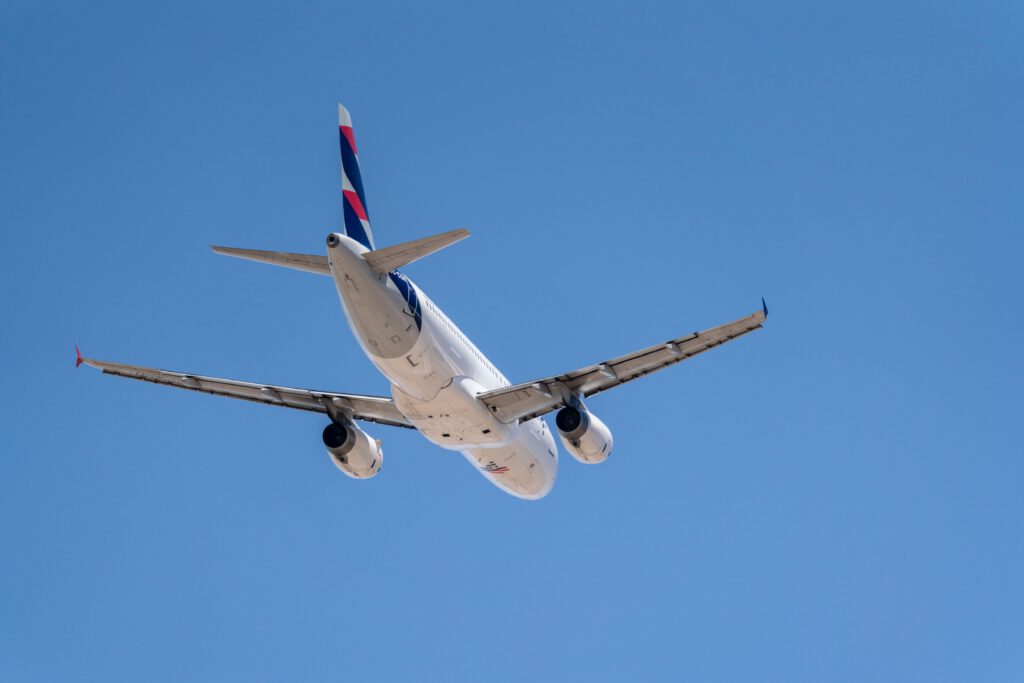
LATAM Airlines – South America
Via Santiago, Chile (SCL) – Saturdays only
A weekly LATAM flight operates from Santiago, Chile, with a stop in the southern city of Punta Arenas (PUQ), where passengers may also join the service. The flight runs every Saturday, arriving at Mount Pleasant Airport (MPN) in the Falkland Islands at approximately 14:00 and departing again the same day at around 16:00.
Travel information
Visitors planning to travel via Chile should note that some nationalities require a visa to enter the country. As the Falkland Islands flight is not classified as a transit service, all passengers must complete Chilean immigration procedures before continuing their journey.
UK Ministry of Defence Airbridge
The Falkland Islands are served by the RAF Airbridge, which departs from RAF Brize Norton in the UK on Sunday and Wednesday evenings. These flights arrive at Mount Pleasant Airport in the Falkland Islands roughly 18 hours later, landing on Monday and Thursday afternoons respectively. Return flights leave the Falklands on Tuesdays and Fridays, arriving back at RAF Brize Norton the following day.
The journey includes an approximate two-hour stop in Ascension Island; however, passengers are not permitted to break their journey during this stopover.
As the service is operated by the UK Ministry of Defence, certain nationalities may be restricted from travelling on these flights. Regulations are subject to regular review by the Ministry of Defence.
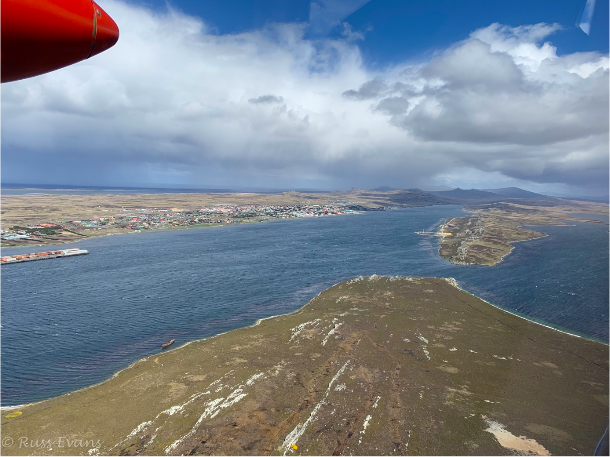
For internal flights, traveling between Islands you would use the Falkland Island Government Aviation Service (FIGAS). Using Britten-Norman Islander aircraft. These aircraft carry 8 passengers and ideal for landing on the grass and clay airfields around the Falkland Islands.